

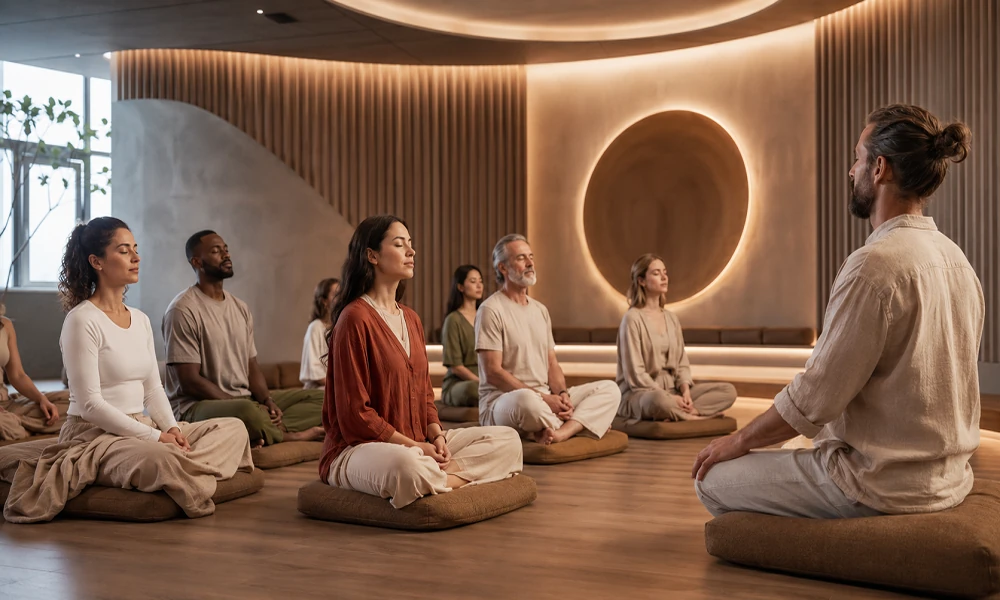
Everyone breathes, but intentional breathing is a learned practice. Pace, posture, depth, and the length of an exhale can change how an exercise feels. Without guidance, a beginner may breathe too forcefully, chase an intense sensation, or abandon the practice because the instructions seem vague.
A well-led class turns breathing into a clear sequence. The teacher explains what to do, how long to continue, what sensations may arise, and when to ease back. Open builds this guidance into digital and in-person experiences that connect breath with meditation, movement, sound, and focused awareness.
The Value of Learning with a Teacher
Breathwork includes many techniques. Some use slow diaphragmatic breathing. Others follow even counts, longer exhales, or brief rounds of faster breathing. Each creates a different experience, and not every method suits every person or moment.
The Cleveland Clinic’s beginner’s guide to breathwork explains how controlled breathing can interact with the autonomic nervous system and may help a person shift toward a more relaxed state. A teacher can translate that broad idea into practical cues: soften the shoulders, avoid straining, keep the face relaxed, and return to normal breathing when needed.
Guidance also provides structure. Instead of watching the clock or wondering what comes next, participants can listen, breathe, and notice.
Choose the Class by the Moment
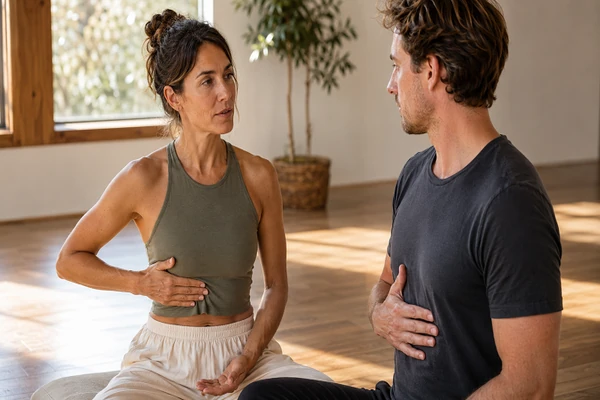
A useful practice begins with a clear intention. Someone preparing for a demanding meeting may want a short, steady technique that supports composure. A person feeling flat in the afternoon may prefer a more active session. An evening class may emphasize slower pacing and a quiet transition into rest.
Op e n’s breathwork classes include on-demand options that can fit different schedules and experience levels. The platform’s broader mindfulness approach also makes it possible to follow breathing with meditation or movement rather than treating each method as an isolated tool.
Duration matters less than fit. A focused five- or ten-minute class can be useful when it is easy to repeat. Longer sessions may offer more time for instruction, reflection, and integration. Beginners can start short, observe the response, and build gradually.
Digital and in-person formats serve different needs. Practicing at home reduces travel and makes repetition easier, while a studio can provide shared energy and immediate environmental support. Neither format is automatically better. The stronger choice is the one that helps the participant feel safe, follow the cues, and return often. Some people may use short digital sessions during the week and reserve in-person classes for a deeper experience.
What a Thoughtful Session Should Include
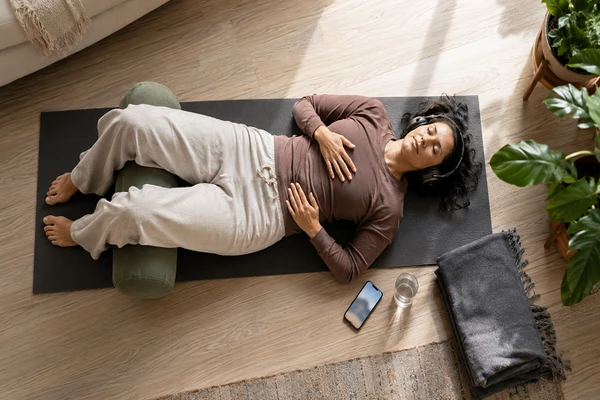
The opening should establish a comfortable posture and breathing. The main practice should give clear pacing cues without pushing participants to compete with themselves. The closing should restore natural breathing and leave time to notice changes in the body and attention.
That final pause matters. It helps a participant distinguish between the active technique and the state that follows it. A brief check-in can be simple: Is the jaw softer? Is the breath quieter? Does the mind feel clearer, unchanged, or unsettled?
Mind-and-body practices are studied as supportive approaches, but results vary. The National Center for Complementary and Integrative Health presents research on relaxation techniques, yoga, and meditation with appropriate caution about evidence and clinical use. A responsible class should make room for the same nuance rather than promise a guaranteed outcome.
Practice Safely and Without Performance
More intensity is not always more effective. Stop if there is dizziness, numbness, chest discomfort, or distress. People who are pregnant or who have chronic or acute health conditions should ask a healthcare professional which techniques are appropriate. Breath holds and fast breathing require particular care.
Practice in a stable seated or lying position, not while driving, swimming, bathing, or operating equipment. Keep the room comfortable and leave enough time to settle afterward.
Frequently Asked Questions
Are guided classes suitable for complete beginners?
Yes. Look for beginner-friendly instruction, clear modifications, and short sessions that make it easy to learn the basics.
How often should breathwork be practiced?
A few brief sessions each week can establish familiarity. Frequency should increase only when the practice remains comfortable and useful.
Is special equipment required?
No. Comfortable clothing and a supportive place to sit or lie down are usually enough. Headphones may improve focus during a digital class.
Let Guidance Turn Intention into Practice
A class can reduce uncertainty and help make breathing a repeatable part of daily wellbeing. Explore Op e n’s guided library, choose a session that matches the moment, and begin with an approach that values clarity, comfort, and consistency.
