

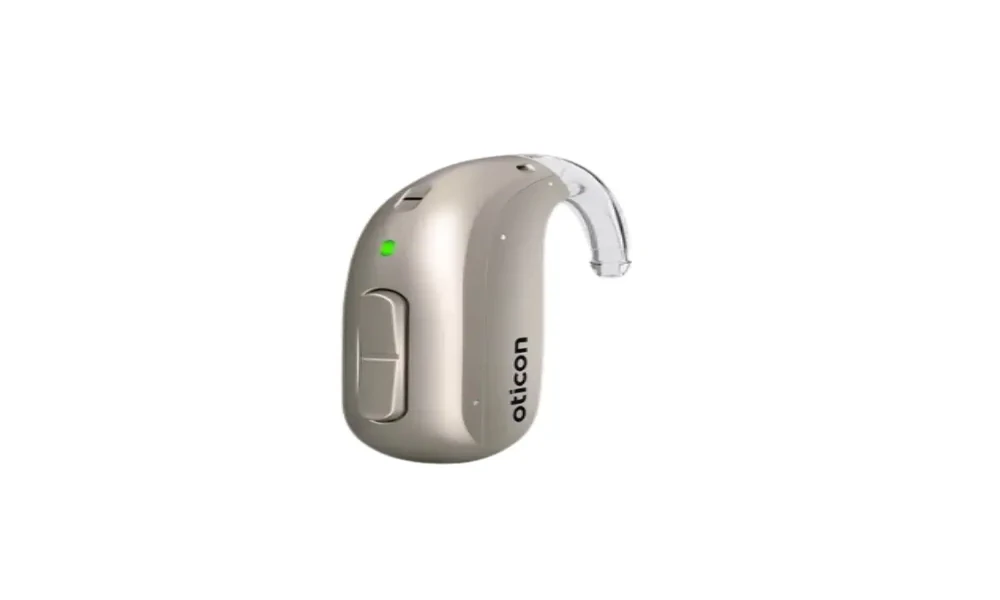
Key Takeaways
Oticon hearing aids continue to attract attention in 2026 for their focus on natural sound, speech clarity, adaptive technology, and user comfort. Among the models discussed, Oticon Intent stands out for its BrainHearing technology, while Oticon Real emphasizes automatic sound adjustments for changing environments.
For people researching their options, comparing features across different Oticon models can make it easier to identify a device that fits their hearing needs and lifestyle. Reviewing current otocon hearing aids options alongside competing brands can also help buyers make a more informed decision.
Oticon Intent combines advanced sound processing with BrainHearing technology to support speech understanding and reduce distractions from background noise. Bluetooth connectivity also makes it useful for people who want to connect their hearing aids with compatible smartphones and other devices.
Oticon Real focuses on adapting to changing sound environments. Its Soundscape Optimization technology is designed to manage background noise and other environmental sounds automatically, reducing the need for frequent manual adjustments.
The Zeal model provides a more straightforward approach for users who prioritize ease of use. Its simple app controls, comfortable design, and battery performance make it an option worth considering for people who do not want an overly complicated hearing aid experience.
Oticon is often recognized for delivering a natural listening experience, although other brands such as Phonak and Signia may offer different advantages. The best choice ultimately depends on individual hearing requirements, preferred features, lifestyle, and budget.
Price is another important consideration. Oticon products are generally positioned toward the premium end of the hearing aid market, but buyers should evaluate long-term performance, comfort, support, and features rather than focusing only on the initial price.
Explore the Oticon Hearing Aid Lineup for 2026
What Makes Oticon Intent Stand Out?
Oticon Intent is designed to provide a more natural and personalized listening experience. Its advanced processing technology works to improve speech understanding while managing surrounding sounds, which can be particularly useful in environments where multiple conversations are taking place.
One of the model’s key technologies is BrainHearing, which is designed to support the brain’s ability to make sense of different sounds. This approach can help users focus more effectively on conversations instead of struggling to separate speech from background noise.
Other notable features include Bluetooth connectivity and a compact design intended to provide comfort during extended use. These characteristics make the Intent an appealing option for people who want modern connectivity alongside hearing support.
Key Features of Oticon Real
Oticon Real is another model worth considering in 2026, particularly for people who frequently move between different listening environments.
Its Soundscape Optimization technology is designed to automatically manage sounds according to the user’s surroundings. This can reduce the need for constant manual adjustments when moving from a quiet home to a busy restaurant or outdoor environment.
Key features include:
- Speech Enhancement: Helps make important sounds and conversations easier to follow.
- Wind Noise Management: Helps reduce distractions caused by wind.
- Rechargeable Options: Provides convenient charging for users who prefer not to replace disposable batteries frequently.
- Environmental Adaptation: Adjusts sound processing according to changing surroundings.
Oticon Real may be especially appealing to users who want hearing aids that can respond automatically as their listening environment changes.
Exploring the Zeal Model
The Zeal model focuses on usability and straightforward functionality. Rather than overwhelming users with complicated controls, it emphasizes accessible features that can be managed through a simple app interface.
Key considerations include:
- Personalized Fitting: Settings can be adjusted to better match individual hearing requirements.
- Feedback Management: Helps reduce unwanted feedback.
- Comfortable Design: Lightweight construction can support extended wear.
- Battery Performance: Designed to provide convenient daily operation.
For users who prioritize simplicity and ease of use, Zeal may be an attractive option to discuss with a hearing care professional.
Compare Oticon With Phonak and Signia
Advantages of Oticon Compared With Phonak
When comparing Oticon with Phonak, consumers may notice differences in sound processing, customization, connectivity, and overall listening experience.
Oticon places significant emphasis on natural sound and supporting speech understanding in everyday environments. This can be particularly useful for users who frequently participate in conversations at home, at work, or during social activities.
Phonak also offers advanced hearing technology, so the better choice depends on the user’s hearing profile and preferences. Instead of assuming one brand is universally better, buyers should compare specific models and test how each performs in real-world situations.
Where Signia May Have an Advantage
Signia can appeal to users who place a strong emphasis on advanced digital features and app-based customization. Depending on the model, users may find more options for adjusting certain listening preferences through connected devices.
Oticon, meanwhile, may appeal more strongly to people who prioritize a natural listening experience and straightforward everyday operation.
The important consideration is not simply which brand has more features. Buyers should determine whether those features provide meaningful benefits in their daily lives.
Evaluating Price and Overall Value
Price remains an important consideration when purchasing hearing aids. Oticon is generally positioned in the premium segment, meaning buyers may pay more for certain technologies and features.
However, price should be considered alongside:
- Sound quality
- Speech clarity
- Comfort
- Battery performance
- Connectivity
- Warranty and support
- Professional fitting and adjustments
- Long-term reliability
A more expensive hearing aid may provide better value for one person, while a less expensive option may be sufficient for someone with different priorities.
Understand the Real-World Benefits of Oticon Hearing Aids
What Users May Experience
Hearing aids can influence more than the ability to hear individual sounds. Better speech understanding may make conversations easier and reduce the effort required to participate in social situations.
Users may experience improvements when communicating in settings such as restaurants, family gatherings, workplaces, or other environments where background noise can make conversations challenging.
A properly fitted Oticon hearing aid can help users engage more comfortably with the sounds around them while reducing the frustration that can accompany hearing difficulties.
How Oticon Can Support Everyday Listening
Different listening environments present different challenges. A quiet room may require minimal processing, while a busy coffee shop may contain multiple overlapping conversations and background sounds.
Oticon hearing aids are designed to adapt to these different situations and prioritize useful sounds.
Potential benefits include:
- Conversational Clarity: Helps users focus on speech during everyday interactions.
- Reduced Listening Effort: Effective sound processing may make conversations feel less demanding.
- Environmental Adaptation: Automatic adjustments can help users move between different environments.
- Connectivity: Compatible models can connect with smartphones and other devices.
Recommended Situations for Testing Performance
Before purchasing hearing aids, users should consider how the devices perform in the environments they experience most often.
Useful situations for evaluation include:
- Social Events: Testing speech understanding in conversations with several people.
- Restaurants: Evaluating performance when background noise is present.
- Outdoor Activities: Checking comfort and sound quality in changing outdoor conditions.
- Work or School: Assessing speech clarity during meetings, presentations, or classroom discussions.
- Home: Determining whether everyday sounds remain comfortable and natural.
Testing hearing aids in realistic situations can provide more useful information than relying solely on specifications.
Follow Expert Buying Tips for 2026
Consider Your Hearing and Lifestyle Needs
Choosing a hearing aid should begin with an understanding of personal hearing requirements. An audiologist or other qualified hearing care professional can help determine the level and type of hearing loss and recommend suitable options.
Consumers should also consider where they spend most of their time and which features they actually need.
Important factors include:
- Professional Evaluation: Obtain an appropriate hearing assessment.
- Lifestyle: Consider work, social activities, hobbies, and typical listening environments.
- Comfort: Choose a device that can be worn comfortably throughout the day.
- Connectivity: Determine whether smartphone or streaming capabilities are important.
- Budget: Consider the total cost, including fitting, adjustments, accessories, and maintenance.
How to Test Oticon Hearing Aids
A trial period can be particularly valuable because hearing aids may perform differently depending on the user’s hearing profile and environment.
During a trial, users should test their hearing aids in:
- Quiet rooms
- Busy restaurants
- Outdoor environments
- Group conversations
- Phone calls
- Television viewing
Pay attention to speech clarity, background noise, comfort, sound quality, and ease of use. Discuss any concerns with the hearing professional so adjustments can be made.
Understand Warranty and After-Purchase Support
Warranty and service support are important considerations when purchasing premium hearing technology.
Before purchasing, consumers should understand:
- Warranty Length: Know how long the device and major components are covered.
- Repair Services: Understand where repairs can be completed.
- Maintenance: Ask about cleaning, servicing, and replacement components.
- Adjustments: Determine whether follow-up fittings or programming adjustments are included.
- Customer Support: Know who to contact when technical or performance issues occur.
Strong after-purchase support can make the ownership experience significantly easier.
Choose the Right Oticon Hearing Aid for Long-Term Use
Match Features With Your Daily Routine
The best hearing aid is not necessarily the one with the greatest number of features. It is the model that provides useful technology while remaining comfortable and manageable for the individual user.
Someone who regularly attends social gatherings may prioritize speech clarity and noise management. Another person who spends most of their time at home may place greater emphasis on comfort, simplicity, and streaming capabilities.
Think About Long-Term Comfort and Performance
Hearing aids are typically worn for many hours each day, making physical comfort just as important as technological performance.
Consumers should evaluate:
- Fit and comfort
- Ease of cleaning
- Battery or charging requirements
- Durability
- Connectivity
- App usability
- Professional support
Taking these factors into account can help users select hearing technology that remains practical beyond the initial purchase.
FAQ
What Oticon hearing aid models should consumers consider in 2026?
Oticon Intent and Oticon Real are among the models consumers may want to explore, while other Oticon devices may be appropriate depending on individual hearing needs. A hearing care professional can help determine which model and technology level are suitable.
How long do Oticon hearing aid batteries typically last?
Battery performance varies depending on the specific model, battery type, streaming activity, and daily usage. Rechargeable models are designed to be charged regularly, while disposable battery models require periodic battery replacement.
Can Oticon hearing aids be programmed for different environments?
Many Oticon hearing aids use adaptive technology to respond to different listening environments. Some models may also provide user controls or app-based adjustments. A hearing professional can customize settings based on individual needs.
How do Oticon hearing aids handle phone calls?
Compatible Oticon models can connect with smartphones using Bluetooth technology, allowing users to stream calls and other audio directly through their hearing aids. Compatibility can vary depending on the hearing aid and smartphone.
What is the best way to clean and maintain Oticon hearing aids?
Users should follow the cleaning and maintenance instructions provided with their specific device. Keeping hearing aids dry, cleaning appropriate components regularly, and scheduling professional maintenance can help support reliable performance.
How can users get the most out of their Oticon hearing aids?
Regular follow-up appointments, proper fitting, and learning how to use the device’s features can improve the overall experience. Users should also communicate with their hearing professional if sound quality, comfort, or performance needs adjustment.
Can Oticon hearing aids be tested before purchase?
Many hearing care providers offer trial periods, although availability and terms vary. A trial can help users determine whether a particular model performs comfortably in their everyday listening environments.
What customer support should buyers expect?
Support can include professional fitting, programming adjustments, troubleshooting, repairs, maintenance, and warranty services. Buyers should confirm exactly what is included with their provider and specific hearing aid purchase.
Useful Resources
- American Speech-Language-Hearing Association (ASHA)
- American Academy of Audiology
- World Health Organization (WHO)
- National Institute on Deafness and Other Communication Disorders (NIDCD)
- Hearing Loss Association of America (HLAA)
- Healthy Hearing
- ASHA Hearing Aids Information
- American Academy of Audiology – Audiology Resources
- Oticon Official Website
- Phonak Official Website
- Signia Official Website