

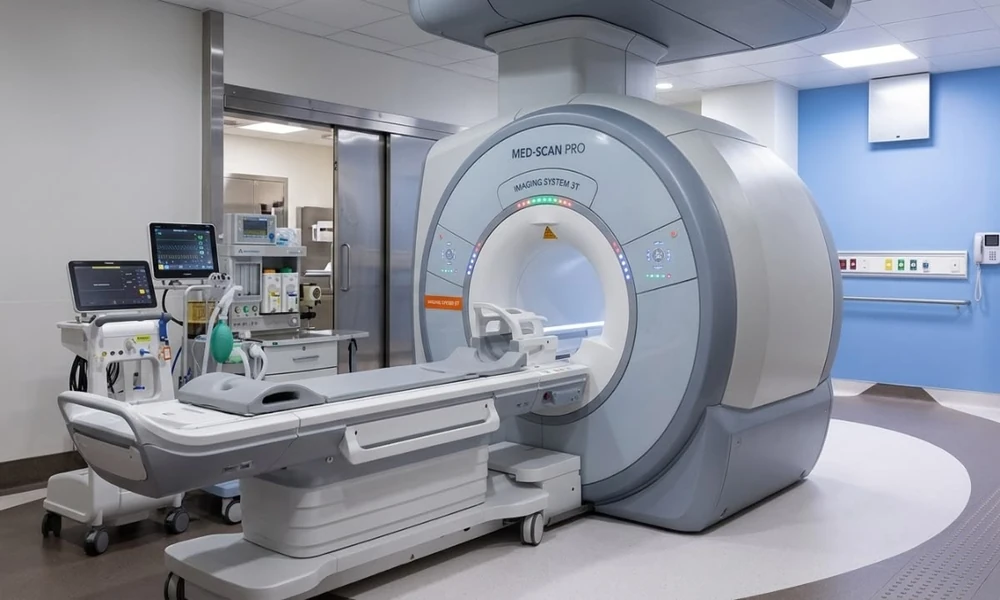
Magnetic Resonance Imaging, commonly known as MRI, is an advanced medical imaging technique used to create detailed pictures of the inside of the human body. This technology works through the use of strong magnetic fields and radio waves, which send signals to a computer that converts them into highly detailed images. According to Kasey McKillip, these scans provide doctors with valuable information about organs, tissues, bones, and other internal structures without the need for invasive surgical procedures.
Kasey McKillip provides insights into what patients should know before an MRI appointment
MRI has become one of the most important breakthroughs in modern diagnostic medicine because it produces high-resolution images while avoiding the use of ionizing radiation, unlike X-rays or CT scans. Instead, the machine relies entirely on magnetic energy and radio frequencies to capture accurate images of the body. Due to the strength of the magnetic field involved, strict safety precautions are necessary to ensure patient safety and maintain the accuracy of the images.
Before undergoing an MRI examination, patients are usually required to complete a detailed screening questionnaire. This step is extremely important because it helps the medical team identify any conditions, implants, or objects that could interfere with the scan or pose a safety risk. Patients are encouraged to provide accurate information about any implanted medical devices they may have, including pacemakers, stents, artificial joints, drug pumps, or other metallic implants. It is equally important to inform the MRI technologist about tattoos, medication patches, or any metal fragments inside the body, as these may react to the magnetic field and cause discomfort, irritation, or even burns during the procedure.
Certain medical devices are classified as MR Safe or MR Conditional, meaning they can safely function within the MRI environment under specific conditions. For this reason, individuals with implants are often advised to bring any implant identification cards or documentation to the appointment. These details help the radiologist or MRI technologist confirm whether the device is compatible with the scanner and whether any special precautions are required.
As Kasey McKillip points out,the MRI machine itself functions as a large and continuously active magnet. Even when scans are not being performed, the magnetic field remains operational. Because of this, metallic objects can become extremely dangerous if brought near the machine. Everyday items such as jewelry, watches, hairpins, keys, credit cards, coins, or pens may be pulled toward the scanner with significant force, potentially causing injury or damaging the equipment. Additionally, metal objects can interfere with image quality by creating distortions known as artifacts, which may make it difficult for doctors to interpret the scan correctly.
The MRI scanning process itself can feel uncomfortable for some individuals because the patient must lie inside a narrow, enclosed tunnel-like structure. People who experience claustrophobia or anxiety in confined spaces are encouraged to inform the doctor or MRI technologist beforehand. In many cases, the medical team can offer support, reassurance, or mild sedation to help the patient remain calm during the examination. Patients are encouraged to communicate openly with their healthcare providers and ask questions whenever they have concerns about the procedure.