

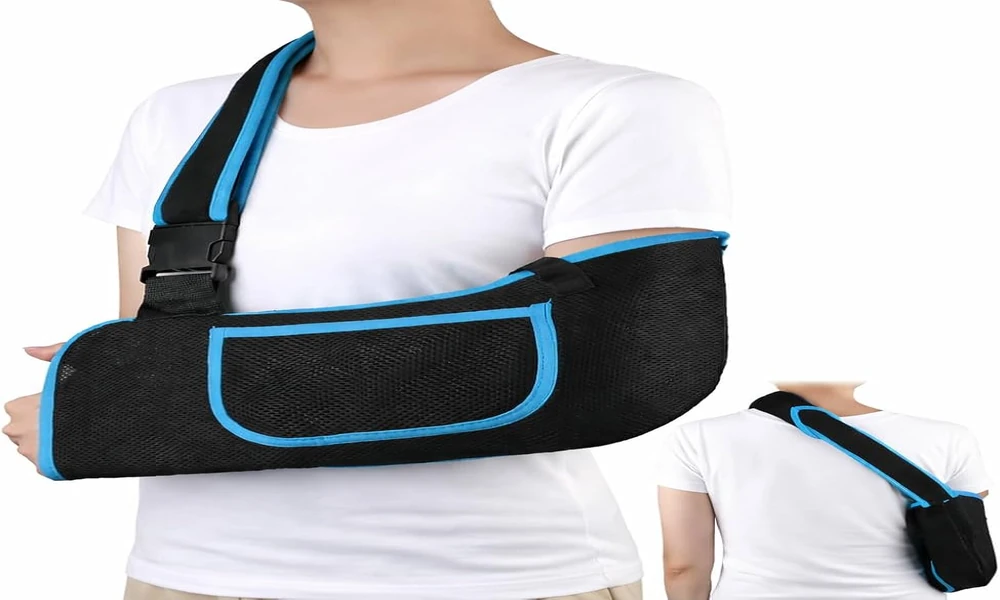
When the person is healing from an arm, shoulder, elbow or sometimes wrist injury also, wearing the right arm sling can help make your comfort and healing experience.
The objective of an arm sling is generally to provide support and immobilize a broken or hurt limb and how comforting wearing it is can depend on the type of pouch used in the sling.
Mesh arm sling pouches and padded arm sling pouches are the two most common options. It is important to know the difference between these two approaches because each one has its own specific benefits to meet different needs.
In this blog, we will compare mesh and padded arm sling pouches with their benefits and drawbacks to know which option is best for your recovery.
Understanding Arm Sling Pouches
An arm sling pouch refers to the section of the sling that provides support to the forearm and hand also while keeping the elbow at the correct angle. The type of material used for the pouch affects:
- Comfort during prolonged wear
- Breathability
- Weight
- Ease of cleaning
- Skin health
- Overall support
Both the mesh and padded pouches serve the same basic purpose. But they perform differently under various conditions.
What Is a Mesh Arm Sling Pouch?
Light weight mesh slings are created from airy fabric with small holes in which air can circulate free through and around.
Its purpose is to protect against excessive heat and humidity, making it ideal for hot weather or heavy use.
Benefits of a Mesh Arm Sling1. Excellent Breathability
The primary benefit of mesh material is ventilation. Air flows freely through the fabric, reducing sweating and keeping the arm cool throughout the day.
This makes mesh slings especially useful during:
- Summer months
- Outdoor activities
- Long recovery periods
- Warm indoor environments
2. Lightweight Design
The weight of mesh material is significantly less than heavily padded fabric. The lightweight sling totally eases the strain on the neck and shoulders and makes the person more comfortable all day long.
3. Faster Drying
Since the mesh does not retain much moisture. The material of mesh arm sling promotes better hygiene by drying quickly after washing or exposure to water.
4. Skin Comfort
Also patients suffering from excessive sweating or mild skin irritation find this mesh material more comfortable. It is because moisture does not remain trapped against the skin.
Limitations of Mesh Arm Slings
The advantages provided by mesh arm sling also have negative sides of.
- Less cushioning
- Minimal pressure distribution
- May feel less supportive for heavier arms
- Lessen comfort after extended immobilization
For people healing from major surgeries or fractures are preferred for additional cushioning.
What Is a Padded Arm Sling Pouch?
A padded arm sling pouch includes a soft cushioning inside the material. It helps in providing support and comfort. Also, the additional padding distributes pressure more evenly across the arm.
Padded arm slings are generally recommended for patients who need longer periods of immobilization.
Benefits of a Padded Arm Sling
1. Superior Comfort
Padding helps to decrease the pressure points, especially around the elbow and forearm. This can be helpful in the case of:
- Fractures
- Shoulder injuries
- Post-operative recovery
- Elderly patients
- Patients with sensitive skin
2. Better Weight Distribution
The cushioning helps distribute the weight of the hand over a larger area. This helps in reducing discomfort in any specific spot.
3. Enhanced Support
A padded pouch often provides a more structured shape that keeps the arm securely positioned. This may improve stability during daily movement.
4. Reduced Pressure During Long-Term Use
For individuals who need to wear a sling for several weeks, the added softness often improves overall comfort.
Limitations of Padded Arm Slings
However, these slings do have downsides. Following are some common drawbacks such as:
- Less breathable
- Can become warm during summer
- Slightly heavier
- Takes longer to dry after washing
- May trap sweat if worn for extended periods
People living in humid climates may notice increased heat buildup.
Mesh vs Padded Arm Sling Pouch: Side-by-Side Comparison
| Feature | Mesh Arm Sling Pouch | Padded Arm Sling Pouch |
|---|---|---|
| Breathability | Excellent | Moderate |
| Comfort | Good | Excellent |
| Cushioning | Minimal | High |
| Weight | Very lightweight | Slightly heavier |
| Air circulation | Excellent | Limited |
| Moisture control | Excellent | Moderate |
| Drying time | Fast | Slower |
| Long-term wear | Comfortable in warm weather | Comfortable due to cushioning |
| Support | Standard | Enhanced |
| Skin temperature | Cooler | Warmer |
Which Sling Is Better for Different Situations?
This actually depends on the specific recovery needs.
Choose a Mesh Arm Sling If:
If you do this, a mesh pouch might be a better option:
- Living in a hot or humid climate
- Sweat easily
- Need a lightweight sling
- Want better ventilation
- Require frequent washing
- Prefer a cooler wearing experience
Patients with mild sprains, soft tissue injuries, or those with short recovery times experience a very light sensation, which they find pleasant.
Select a Padded Arm Sling If:
A padded pouch is generally more suitable if you:
- Have a fracture
- Recently underwent shoulder surgery
- Need extended immobilization
- Experience discomfort from prolonged sling use
- Want maximum cushioning
- Have a heavier arm requiring additional support
For more serious recovery, additional padding usually makes for more comfort as well.
Final Thoughts
The mesh arm sling excels in terms of breathability, lightweight comfort, moisture management as well as ease of care. It is a choice for hot weather, quick recovery times, and those who prioritize airflow.
Whereas, a padded arm sling, offers a superior cushioning, better weight distribution as well as enhanced comfort for long-term wear. A padded arm sling is often preferred for post-surgical recovery, fractures and injuries that require a part of the body to be immobilized for an extended period.
The best arm sling is actually that provides you proper support in your recovery, fits correctly as well as aligns with your healthcare provider’s advice.
It is important to consider factors like the weather, the severity of the injury and the duration of use, you can choose an option that supports a safe and comfortable recovery.